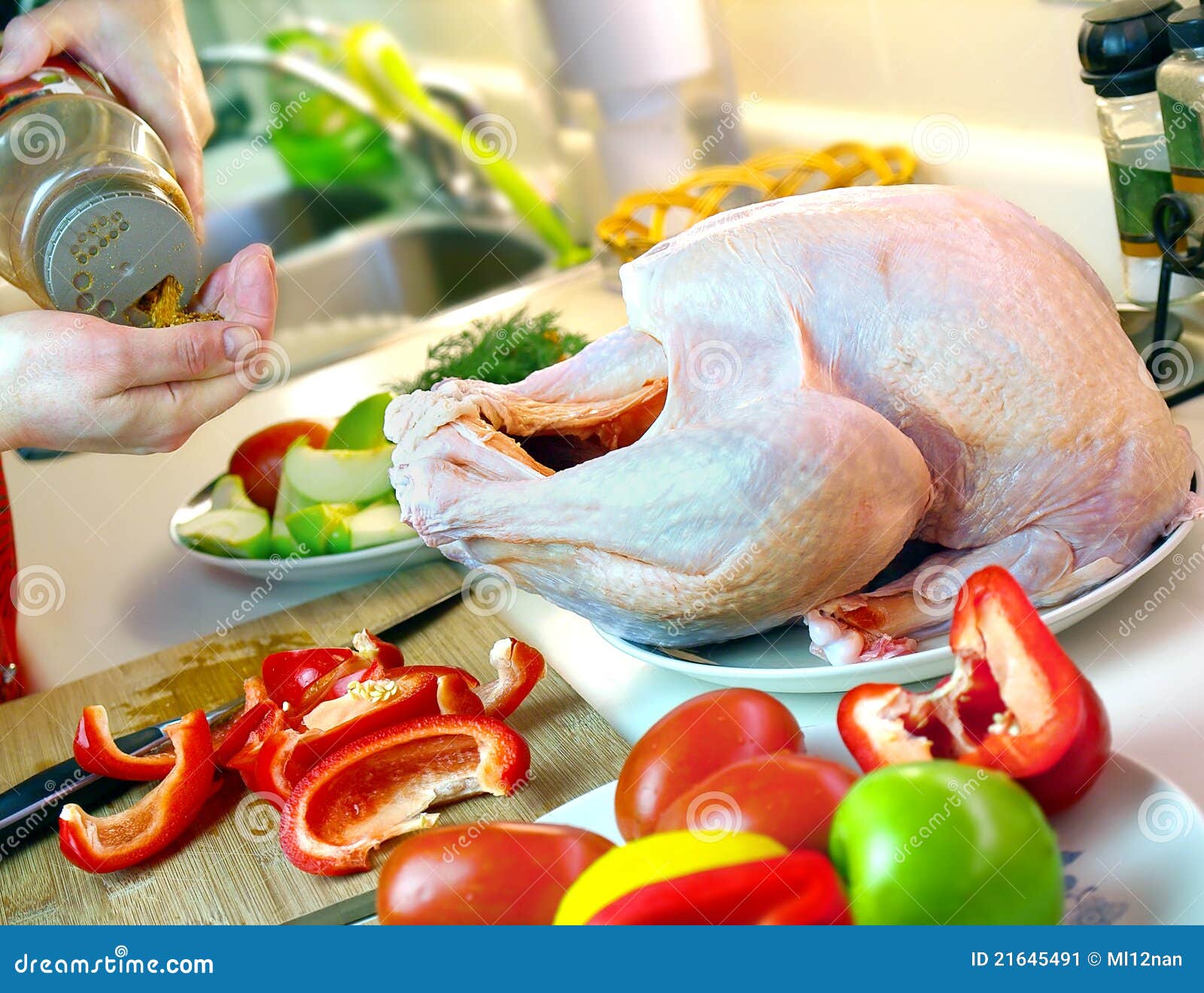
Thanksgiving morning is usually a disaster. You've got a turkey hogging the oven, potatoes boiling over, and someone’s uncle asking where the remote is while you're trying to chiffonade sage. It’s chaos. Pure, unadulterated kitchen mayhem. This is why preparing stuffing ahead of time isn't just a "nice to have" tip—it’s a survival strategy for the modern home cook.
But there is a catch. If you do it wrong, you end up with a gray, gelatinous brick that tastes more like wet cardboard than a holiday staple. Nobody wants that. I’ve spent years tweaking my holiday workflow, and honestly, the secret isn’t just "making it early." It’s about understanding the science of bread hydration and the scary reality of foodborne illness.
The Big Soggy Problem
Bread is a sponge. That sounds obvious, right? But people forget that once you pour stock over toasted bread cubes, the clock starts ticking. If you mix everything together 48 hours in advance and just let it sit in the fridge, those bread cubes lose all structural integrity. You aren't making stuffing at that point; you're making savory bread pudding that’s been sitting in a cold bath. It’s gross.
To avoid the mush, you have to separate your components. Think of it like a "deconstructed" prep. You can absolutely sauté your onions and celery (the mirepoix) in butter three days early. In fact, the flavors actually meld better that way. Toss in your herbs—thyme, rosemary, sage—and let them perfume that fat. Store that in a Tupperware container. Then, keep your dried bread cubes in a separate, airtight bag.
Mixing them only when you're ready to bake keeps the bread from dissolving.
Why Food Safety Actually Matters Here
We need to talk about eggs. Most classic recipes, like the iconic Silver Palate stuffing or even the basic Betty Crocker version, call for eggs as a binder. Here’s the thing: once you mix raw eggs with moist bread and broth, you’ve created a petri dish.
The USDA is pretty strict about this. They recommend that if you are preparing stuffing ahead of time, you shouldn't mix the wet and dry ingredients more than a few minutes before it goes into the oven. Why? Because the porous nature of bread makes it hard to chill the center of a large batch quickly enough to stop bacterial growth.
📖 Related: Why the Blue Jordan 13 Retro Still Dominates the Streets
If you must prep the "wet" mix ahead of time, keep the broth and sautéed veggies separate from the bread until the oven is preheated. Or, skip the eggs entirely. Many modern chefs, including the folks at Serious Eats, argue that a high-quality stock and plenty of butter provide enough richness that the egg binder is almost redundant. It makes the "make-ahead" process much safer and the texture a bit lighter.
The Stale vs. Toasted Debate
Don't just leave bread out on the counter. People think "stale" bread is the goal. It isn't. Stale bread is just dehydrated and potentially a bit tough. What you actually want is toasted bread.
- Slice your sourdough or challah into 1-inch cubes.
- Spread them on a baking sheet.
- Bake at 300°F until they feel like croutons.
This creates a "crust" on each individual cube. When you finally add your liquid during the preparing stuffing ahead of time process, that toasted exterior acts as a barrier. It slows down the liquid absorption. This is the difference between stuffing that has "chew" and stuffing that looks like mashed potatoes.
Can You Freeze Stuffing?
Yes, but it’s risky. If you freeze unbaked stuffing, the ice crystals break down the cell walls of the vegetables and the bread. When it thaws, it releases a ton of water. It’s a mess.
The better way? Bake it fully, let it cool completely, then freeze it. When the big day comes, you just need to splash a little extra turkey stock over the top to revive the moisture and pop it back in the oven to crisp up the edges. It’s basically a homemade version of those frozen Stove Top boxes, but, you know, actually edible.
Some people swear by freezing just the vegetable and herb base. You sauté your onions, celery, sausage, and apples, then freeze that mixture in a heavy-duty freezer bag. On Thanksgiving, you thaw that bag, heat it up, add your stock, and toss it with fresh toasted bread. It saves about 45 minutes of chopping and sautéing, which is a lifetime when you’re multitasking.
👉 See also: Sleeping With Your Neighbor: Why It Is More Complicated Than You Think
The "Dry Run" Method
A lot of folks get nervous about the liquid ratio. "Is it too dry? Is it a swamp?" If you’re preparing stuffing ahead of time, use the dry run method.
Mix your bread and your sautéed aromatics (onions, celery, etc.) the night before. Keep this mix in a big bowl covered with plastic wrap at room temperature—assuming you haven't added meat like sausage yet. Then, right before baking, pour over your warm broth. Warm broth is key. Cold broth takes forever to soak in, leading to uneven patches. Warm broth penetrates the toasted cubes just enough to soften them while leaving the center with a slight bite.
Logistics of the Oven
The biggest hurdle isn't the recipe; it's the geometry of your oven. If you’ve got a 20-pound bird in there, there’s no room for a 9x13 casserole dish.
This is where the slow cooker comes in. You can prep your stuffing components, mix them, and throw them into a buttered Crock-Pot on low for about 3 to 4 hours. It frees up oven space and keeps the stuffing moist. Just a warning: you won't get those crispy, browned bits on top. If you’re a "crispy bits" person, you might want to finish it under the broiler for five minutes if you can find the space.
Real-World Timing Breakdown
Let’s get practical. If you’re looking at a Thursday dinner, here is how a pro handles preparing stuffing ahead of time without losing their mind:
- Monday: Buy the bread. Don't get the pre-bagged stuff if you can help it. Get a loaf of sourdough and a loaf of brioche. Mix them for texture.
- Tuesday: Cube the bread and toast it. Store in a giant Ziploc bag on the counter. Chop your celery and onions.
- Wednesday: Sauté the veggies in way more butter than you think is healthy. Add your herbs. If you’re using sausage, cook it now and mix it with the veggies. Put this in the fridge.
- Thursday Morning: Take the veggie mix out of the fridge so it loses its chill.
- One Hour Before Eating: Toss the bread and veggies together. Slowly add stock until it’s moist but not dripping. Put it in the oven.
Common Mistakes to Avoid
Most people under-season. Bread and broth soak up salt like a sponge. If your "ahead of time" mix tastes "okay" on Wednesday, it will taste bland on Thursday. Be aggressive with the sage and black pepper.
✨ Don't miss: At Home French Manicure: Why Yours Looks Cheap and How to Fix It
Also, watch out for the "stuffing the bird" trap. If you are preparing stuffing ahead of time, do not actually put it inside the turkey. It’s a nightmare for timing. To get the stuffing to a safe temperature (165°F), you often have to overcook the turkey breast until it’s dry as a bone. Cook the stuffing in a separate dish. You get more crispy edges that way anyway, and everyone knows the crispy edges are the best part.
Actionable Steps for Perfect Results
Ready to get started? Don't wait until the day before.
Start by choosing your bread today. Avoid the standard white sandwich bread; it has no soul and turns to mush instantly. Go for something crusty.
Next, check your stock supply. If you’re using store-bought, get the low-sodium version so you can control the salt levels yourself.
Finally, do a "space check" in your fridge. A big bowl of bread cubes takes up more room than you’d think. If you’re tight on space, remember that toasted bread cubes can live in a bag on top of the fridge—they don't need to be chilled. Only the moisture-heavy ingredients like your sautéed veggies and meat need the cold.
By breaking the process down into these small, manageable chunks, you’ll actually get to enjoy your holiday instead of sweating over a cutting board while everyone else is having appetizers. Prep smart, keep your components separate until the last second, and for the love of all things holy, toast your bread.